Robust and Resilient Terrestrial–Non-Terrestrial Connectivity for In-Flight Connectivity in the Beyond-5G/6G Era
Christoffer Hjalmarsson*, Tasos Dagiuklas, Brahim El Boudani and Jonathan Rodriuguez
Department of Computer Science and Digital Technologies, London South Bank University, London, SE1 0AA, UK
E-mail: s4436857@lsbu.ac.uk; tdagiuklas@lsbu.ac.uk; elboudani@lsbu.ac.uk; e412038@lsbu.ac.uk
*Corresponding Author
Manuscript received 03 December 2025, accepted 04 December 2025, and ready for publication 31 December 2025.
© 2025 River Publishers
DOI. No. 10.13052/2794-7254.022
Abstract
The integration of terrestrial and non-terrestrial networks is essential for reliable, secure, and ubiquitous connectivity with QoS guarantees, and is a key enabler for supporting emerging applications like in-flight broadband connectivity and mission-critical operations, though several challenges remain. This paper compares three architectural options for providing in-flight broadband connectivity: a DU/CU functional split with the DU on the aircraft and the CU on the ground; a similar split enhanced with integrated access and backhauling to enable 3GPP-compliant flying ad-hoc networks; and a novel architecture in which aircraft act as mobile wireless access and backhaul nodes hosting MEC capabilities for low-latency services and local breakout, a flexible approach that requires sophisticated SON functions and optimised routing.
Keywords: IAB, in-flight broadband connectivity, network automation, SATCOM, TN/NTN integration, WAB.
1 Introduction
The 5G mobile business case extends towards the air, where in-flight broadband connectivity (IFBC) is an emerging reality. A study by the London School of Economics and Political Science in association with Inmarsat showed 2015, that in-flight broadband connectivity had the potential to create a $130 billion global market within the next 20 years, resulting in $30 billion of additional revenue for airlines by 2035 [1]. There has already been some market penetration in this area, with legacy in-flight systems relying on satellite communications complemented by on-board Wi-Fi access. More recently, the market has introduced direct air-to-ground (DA2G) mobile services, such as the European Aviation Network (EAN), which delivers 4G-LTE connectivity and employs a single GEO satellite as a backup link when the higher-throughput DA2G connection degrades [2].
In response to aviation stakeholders’ requirements for IFBC services, the Next Generation Mobile Network Alliance (NGMN) has proposed key performance indicators (KPIs) for 5G use cases targeting mobile backhauling for aircraft in their 5G white paper [3]. Given their estimations, each user will have 15/(7.5) Mb/s download/(upload), so that 1.2/(0.6) Gb/s download/(upload) speed is required per aircraft, assuming 20% active users per aircraft and 400 passengers in each aircraft. These values significantly exceed the capacity of current DA2G systems, which typically achieve only a few hundred megabits per second per aircraft [4]. To meet such anticipated data rates, further integration of satellite systems within the evolving 5G standard is clearly required.
5G-satellite integration has already been playing a pivotal role in 5G standardisation. Initial studies on requirements for TN/NTN integration was captured in 3GPP (3rd Generation Partnership Project) Release 14 (R14), highlighting the added value that satellite coverage brings, as a complementary network forming part of the 5G paradigm, especially for mission-critical and industrial applications. 3GPP R15 was the first specification for 5G, and it introduced a study on New Radio (NR) support for non-terrestrial networks (NTN), examining potential architecture options and deployment scenarios. These included, for example, providing NTN-based broadband connectivity between the core network and cells located on board moving platforms such as aircraft or trains. R17, in contrast to earlier releases, was the first release to include normative specifications for NTN. It encompassed both Stage 1 requirements for defining what NTN services the 5G system should provide, as well as Stage 2 and Stage 3 protocol specifications detailing initial NTN functionalities. For example, R17 included normative Stage 3 requirements for UE initial attach procedures to NTN. It also included handovers between TN and NTN nodes, when satellites operate in transparent mode (bent-pipe architecture), meaning the satellite functions as a simple repeater, with all baseband processing functions remaining on the ground. R18 addressed further satellite integration under the new 5G-Advanced marker, including investigation of NTN backhauling, veryfing UE location information, and placing a UPF as satellite payloads. R19 still has satellite architecture evolution as a priority topic, and whilst previous releases focused on transparent payloads, R19 focuses on regenerative payloads where the NTN vehicle hosts 5G system functions. R19 also considers NR-NTN coexistence and functionalities such as store and forward (S&F) for increased resilience against NTN link failures, mobility management, and a study item for user equipment (UE) multi-connectivity over NTN and TN nodes. Flexible integration and backhauling between TN and NTN is still under discussion, but will possibly build on 5G integrated access and backhaul (IAB) technology [5], evolving towards wireless access backhaul (WAB) nodes [6]. While both IAB and WAB nodes provide RAN access to UEs and perform wireless data forwarding for backhauling, IAB requires tight coupling between the IAB node and the IAB donor because the gNB functionality is split between the two entities. WAB nodes, in contrast, host the entire gNB stack and therefore offer a more flexible architecture, which could be beneficial in rapidly changing, dynamic networks, such as aerial networks. R20 is expected to be stabilised in 2027 and will include further upgrades for satellite networks, such as reduced UE dependency on the Global Navigation Satellite System (GNSS) when connected to NR-NTN for enhanced reliability, continued work on multi-connectivity over NTN, and improvements on narrowband IoT (NB-IOT) over NTN. In particular, R20 aims to enable NB-IoT voice services over GEO satellites, which could be used for emergency notifications. The R20 will be the last major release for 5G-Advanced and will also include study items for 6G networks (ITU-R’s IMT-2030), which will start with R21. R21 is expected to natively integrate TN/NTN from the outset and not treat NTN as an add-on [7].
1.1 Structure of the Paper
This paper outlines different architecture options for integrated TN/NTN supporting IFBC services, as well as highlighting research challenges in this area.
The structure of the paper is as follows; Section 2 presents the state-of-the-art in TN/NTN integration, Section 3 presents three different TN/NTN architectures for IFBC, and research challenges to support IFBC in 5G/6G are outlined in Section 4.
2 State-of-the-Art in TN/NTN Integration
The requirements for 6G are specified by the International Telecommunication Union (ITU) in the ITU-R’s IMT-2030 vision for 6G systems [8], which 3GPP R21 aims to satisfy. Of particular interest for this paper is the ambitious target of ubiquitous connectivity. Achieving this requires a complex, multi-layered architecture where both TN and NTN components operate cohesively as a single unified network. Traditional single-orbit satellite communication (SATCOM) systems such as Low Earth Orbit (LEO), Medium Earth Orbit (MEO), and Geostationary Orbit (GEO), offer distinct performance trade-offs: GEO provides high throughput and wide coverage but suffers from latency; LEO delivers low latency but requires frequent handovers and dense ground segment infrastructure; MEO provides intermediate performance but with limited flexibility. These constraints are well documented in ITU-R S.1716 and 3GPP R17 NTN specifications, which highlight the performance and interoperability challenges across orbital regimes.
2.1 Handovers
To reap the benefits of differentiated latencies, throughput, and coverage in an integrated TN/NTN network, efficient handover procedures are essential. 3G networks already introduced seamless mobility, allowing UEs to transition between cells without call drops. Over successive generations, handover performance has been continually optimised to the point of being almost imperceptible to the user. However, handovers either between NTN nodes or between TN and NTN nodes present additional challenges due to long satellite link delays, rapidly changing topologies that demand frequent handovers, unreliable feeder links, and limited processing capabilities on satellite payloads [9]. In 5G, R16 standardised conditional handovers (CHO) [10] for TN and R17 introduced a study item for CHO in NTN networks, which would address some of these challenges. CHO for NTN was later standardised in R18. Unlike traditional handovers, where the source gNB makes decisions based on periodic UE measurement reports, CHO works by having the gNB pre-configure rules for handovers, which the UE then executes autonomously. CHO reduces the NR Uu measurement traffic and shortens handover delays, which is particularly important when channel conditions degrade rapidly in highly dynamic networks. The trade-offs are additional complexity on the UE and reduced network control over resource management. CHO still relies on either the Xn or the N2 interface for the actual handover. In the case of satellites operating in regenerative mode the N2 handover procedure seems to be preferred since Xn communication is a challenge for multi-orbit satellite systems because of additional delays and mobility [11].
2.2 Multi-connectivity (MC)
Multi-connectivity (MC) enables concurrent connections across multiple carriers. Building on its success in terrestrial networks, the 3GPP introduced study items on MC support for satellite and integrated TN/NTN already in R16 and R17 (TR 38.821 and TR 23.737), but without any normative requirements. MC can be implemented at different layers of the protocol stack; carrier aggregation (CA) at the medium access control (MAC) layer and dual connectivity (DC) at the packet data convergence protocol (PDCP) layer, facilitating dynamic splitting and duplication of user traffic. This approach provides rapid adaptation to changing link qualities in real time, making CA and DC well-suited to address the challenges of multi-band multi-orbit (MBMO) satellite architecture. Theoretical analysis and experimental trials have demonstrated that MC significantly enhances data throughput, spectral efficiency, coverage, and reliability while lowering latency in NTNs [12]. This foundation has been primarily applied to networks limited to a single orbit or band.
3GPP R18 and the future R19 and R20 aim to enable seamless handovers and MC across LEO, MEO, and GEO assets, though it is still not clear if R20 will include any normative requirements for NTN MC. Introducing MC across TN and different satellite orbits adds spatial macro-diversity to the radio connection, which enhances resilience against both hardware failure and radio-link degradation [13]. Since the different radio links can operate over different frequencies and experience distinct radio channels, MC has the potential to enhance mission continuity under contested or degraded environments.
2.3 Multi-orbit SATCOM
Seamless integration between TN and NTN will allow global coverage and spectral efficiency in 3D space. Multi-orbit SATCOM represents not only a technical evolution, but also a strategic necessity to safeguard decision advantage in multi-domain operations.
Multi-orbit SATCOM can offer a resilient, flexible, and globally available connectivity layer that can be integrated into NATO’s Federated Mission Networking (FMN), which is an initiative to increase interoperability between coalition partners to enhance mission effectiveness. By leveraging LEO, MEO, and GEO systems in combination, FMN participants can benefit from assured communications that adapt to operational requirements, whether low-latency links for tactical edge operations or high-capacity GEO/MEO backhaul for strategic command. The integration of multi-orbit with FMN can be mapped to specific spiral specifications as follows:
• Core Mission Services & Interoperability: Multi-orbit SATCOM can provide mission-essential services (voice, data, video, etc.) over standardised interfaces to allow interoperability between national systems. Standardised SATCOM gateways and cross-domain solutions could allow seamless communication between coalition partners using heterogeneous systems even in bandwidth-constrained or denied areas where TN are unavailable.
• Cloud-Enabled Command and Control (C2) & Federated Services: By integrating software-defined networking (SDN) and network function virtualisation (NFV), multi-orbit SATCOM can provide adaptive routing and bandwidth-on-demand to support federated cloud-based mission services. This ensures reliable access to C2 applications, ISR (intelligence, surveillance, and reconnaissance) data, and coalition services hosted on FMN mission clouds.
• Mobility, Agility, and Mission Resilience: Multi-orbit SATCOM enhances secure mobile networking by enabling low-latency LEO links for tactical edge users, complemented by MEO/GEO for strategic backhaul. Seamless handovers and orbit diversity improve continuity of operations in highly mobile scenarios (e.g., maritime task groups, air operations, rapid deployment). Its inherent redundancy across orbits and bands also supports mission assurance in contested or denied environments.
Multi-orbit satellite communication systems rely on highly agile and adaptive hardware architectures capable of interfacing between GEO, MEO, and LEO satellites. One key enabler is the Multi-Layered Satellite System (MLSS) approach, where different orbital layers are tightly integrated to exploit their complementary strengths; GEO for wide coverage and stability; LEO/MEO for lower latency and higher link margins. These MLSS architectures have been demonstrated in systems that combine GEO and LEO capabilities to increase service resilience, latency performance, and coverage continuity [14].
Inter‑satellite links (ISLs) and emerging inter‑orbit links (IOLs) play pivotal roles in connecting satellites across orbits, thereby forming space information networks (SINs) [15]. SIN architectures incorporate ISLs and IOLs for in-space backhauling and enable real-time, high-throughput relay among satellites, reducing reliance on ground stations. Similar to how routing between RAN and core for TNs is outside the scope of 3GPP, routing over ISLs is also not standardised by 3GPP. Possible routing schemes include dynamic shortest path routing or predictive routing using the fact that aircraft and satellites move in a predictable path.
Multi-orbit SATCOM hardware must integrate advanced antenna and RF front-end technologies to support seamless communication across LEO, MEO, and GEO. Electronically steerable phased-array antennas and flat-panel designs (e.g., Kymeta u8, Intellian v240MT) replace bulky parabolic dishes, enabling agile beam steering, multi-band support (Ku/Ka/Ka-Q/V), and orbit diversity. Hardware integration also extends to RF front-end modules, which must accommodate multi-chain processing for concurrent links, and baseband chipsets that handle dual or multiple protocol stacks. Antenna miniaturisation, low-power amplifiers, and ruggedised designs are critical for defence and mobility scenarios. These architectures are evolving in line with 3GPP NTN standards (TR 38.811, TR 38.821), which define RF requirements and mobility support for NGSO systems.
2.4 QoS-aware Routing
Traditionally, user-plane traffic between the gNB and UPF, as well as between the DU and CU in O-RAN deployments, is transported inside a GTP-U tunnel. The GTP-U header is at least 8 bytes long and always contains a TEID (Tunnel Endpoint Identifier), which the receiver uses to map packets to the correct bearer or flow. The transport network between sender and receiver (midhaul or backhaul) has no visibility into the GTP-U payload, since it is encapsulated by UDP and IP headers. Intermediate routers forward packets solely based on the outer IP header, using routing protocols such as OSPF or IS-IS for IPv6. In static terrestrial networks dimensioned to carry all QoS flows without differentiation, this design works effectively and GTP-U was suitable for legacy, homogeneous, ground-based networks under the full control of the mobile operator. In dynamic and heterogeneous transport networks with limited capacity, such as integrated TN/NTN systems, GTP-U provides limited control and flexibility. SRv6 is being investigated as a programmable alternative that enables fine-grained flow steering and network visibility [16]. SRv6 integrates naturally with SDN controllers, which can compute routing paths centrally. The optimal placement and coordination of SDN controllers in TN/NTN deployments remains an open question. Furthermore, little research has been done on SRv6 for satellite-air-ground networks with wireless backhauling using either IAB or WAB technologies.
Replacing all network equipment and network functions from using GTP-U encapsulation to, for instance, SRv6 cannot be expected to be done quickly, and in the meantime, the Virtual Network Functions (VNFs) must be able to translate between encapsulations on a flow basis. Furthermore, in a diverse network, it might not even be desirable to enforce a single encapsulation scheme. [17] proposes the design of a polymorphic UPF which can serve different flows with different encapsulations by separating the data plane and control plane of the UPF, and implementing the user plane as a network of UPFs with one I-UPF (Intermediate-UPF) acting as a uplink classifier (UL-CL) diverting the traffic to different PSA-UPF (PDU Session Anchor-UPF) based on the encapsulation scheme.
2.5 Traffic Prediction
Although traffic prediction for individual gNBs and UPFs has been widely studied, approaches that model or predict traffic patterns across multiple interconnected entities are still limited. The authors in [18] propose an ML framework for predicting traffic for multiple UPFs simultaneously using Multi-Task Learning (MTL) and Multi-Core Parallel Computing (MCPC), where data from 91 consecutive days was used for learning traffic patterns. Obviously, this assumes a static topology with predictable traffic. In the case of TN/NTN integrated networks, there are few studies for predicting traffic per UPF.
3 Discussion of Different Architecture Options for Providing an Integrated TN/NTN Resilient Network for IFBC
This section examines different architecture options for providing seamless IFBC through TN/NTN integration within the 3GPP framework. First, background requirements are discussed as to what the architecture must support. After this, three different architectures are analysed, and they are also compared to each other in Table 1.
Table 1
| Comparison of IFBC connectivity architectures: CU/DU, IAB, and WAB | |||||||
| Architecture | On-board Code Complexity | 3GPP-Specified Node-to-Node Communication | Max Intermediate Hops | Delay Tolerance | Local UPF Breakout | Mobility Support | Resilience to Link Failure |
| CU/DU (AO1) | Low | No | 0 | Low | No | Low | Low |
| IAB (AO2) | Medium | Yes | Multiple | Low | No | Medium | Medium |
| WAB (AO3) | High | Yes | 0 (R19) | High | Yes | High | High |
3.1 Requirements
The architecture solution must be able to provide IFBC to a wide variety of UEs ranging from different phones to wearables and smart flight sensors. For this reason, an on-board 5G radio is essential, as this will make the NR Uu interface identical to the terrestrial situation, and no modifications are needed for the UEs. Further, the architecture should preferably be able to cater to diverse use cases, some of which are listed below:
• Passenger connectivity to the ground network for services such as video streaming, voice calls, or telehealth monitoring. Premium access may be offered.
• While safety-critical air traffic control (ATC) communication is currently based on dedicated radio systems [19], future 5G-Advanced or 6G systems could support integration under stringent isolation and reliability guarantees.
• On-board IoT networks with local processing before sending aggregated data to ground networks. The NFV-orchestrator (NFVO) would need to deploy a lightweight on-board UPF for local breakout while maintaining control-plane synchronisation with ground-based core functions.
• On-board entertainment systems delivered over 5G. Similar to the previous case, this requires orchestration between an on-board UPF and the ground network.
Clearly, the above use cases show diverse requirements regarding link reliability, throughput, and latency. Using the unique characteristics of a TN/NTN integrated network, each traffic flow needs optimal and flow-dedicated routing to meet the required SLAs. The routing needs to make use of the diverse characteristics of the different links (A2A, SA2G, ISL, IOL, etc.) when it comes to reliability, throughput, and latency.
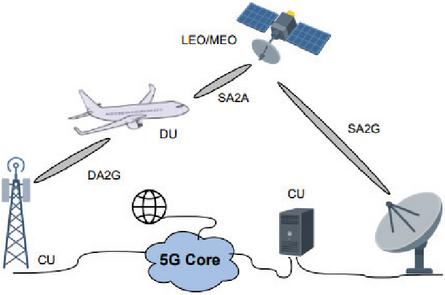
Figure 1 In-flight connectivity, AO1. Note that the DA2G, SA2A, and SA2G could be propriatary interfaces.
3.2 Architecture Option 1 (AO1) – DU/CU-split
One alternative for providing IFBC would be to split the gNB between a DU and a CU, where the DU is placed on the aircraft and provides connectivity within the plane, as shown in Fig. 1. There are eight different split options (SO) but one of the strongest contenders for NTN is SO 2 [20]. SO 2 places the RRC and PDCP in the CU whereas RLC and lower-layer RAN functions are placed on the DU. The SO 2 interface between the DU and CU is named the F1 interface and is standardised within 3GPP. This SO is also one of the SO advocated by the O-RAN Alliance in their 7-2x split for TN. SO 2 is a reasonable option because it allows IP-based connectivity between the DU and CU, and the interface is less time-sensitive than other higher-level SO. Although there is no 3GPP-specified time constraint for the F1 interface between the CU and DU, this interface was not designed for large delays, and [21] asserts the delay over the F1 interface should be within 10 ms in a TN setting. The delay sensitivity makes the network very sensitive to radio-link failures and intermittent connectivity.
Although a longer delay between CU and DU in SO 2 might be possible by adjusting timing parameters, it seems unreasonable that a GEO satellite could be used either in transparent mode or in regenerative mode using the CU/DU split since the one-way delay between aircraft and GEO already may exceed 200 ms. Using this split, the CU would most likely have to reside on the ground, and the onboard DU would communicate with it either via a DA2G link or via LEO/MEO satellites operating in transparent mode.
The IP-based midhaul between the DU and CU is not defined by 3GPP, and in the case of DU on board an aircraft and CU on the ground, this link will be vendor dependent. Additionally, because of the separation of DU and CU, all user traffic must leave the aircraft. This means that although the aircraft could host an on-board entertainment portal or other services, traffic must still pass through the ground CU and ground core before being routed back to the on-board server. This introduces extensive delays and defeats the purpose of on-board hosting.
3.3 Architecture Option 2 (AO2) – IAB
Integrated access and backhauling (IAB) was first specified by 3GPP in R16 for terrestrial deployment as an extension of LTE relay nodes from R10. The technology was aimed at rapidly expanding 5G coverage by enabling wireless backhauling between an IAB donor and one or multiple IAB nodes. The IAB-node consists of an IAB-DU providing connectivity to UEs and an IAB-MT which wirelessly connects to the IAB parent node over the standard NR Uu interface. 3GPP R17 has further developed IAB, allowing for IAB-donor handovers using the XnAP IAB protocol, which enables IAB mobility. However, it must be noted that inter-IAB handovers are significantly more complicated than a normal UE handover, and no implementation has been commercially deployed on a large scale.
IAB could potentially be used in NTN settings, as presented in [5]. One IAB node must be placed within the aircraft to provide IFBC, and the IAB donor containing the CU would probably be best situated on the ground for the same reasons as in Architecture Option 1 (AO1). The main difference between this option and AO1 is that IAB allows for multi-hop routing between IAB nodes, and the interface between IAB nodes and the IAB donor is the 3GPP NR Uu interface. Reusing the Uu interface for routing reduces the risk for a plethora of vendor-specific solutions forcing vendor lock-in.
Using IAB with multi-hopping, aircraft could potentially route traffic to the donor through satellites, other aircraft, or ground-based IAB nodes, as illustrated in Fig. 2. The additional routing freedom stemming from multi-hopping, increases redundancy and resilience to link failures. However, due to latencies, the number of hops must be limited, and using GEO satellites should be avoided. Furthermore, the rapidly changing topology would incur substantial signalling overhead and frequent inter-IAB-donor handovers. As in AO1, all traffic must go through the ground core, which does not allow local breakout to an on-board MEC cloud, for instance, used to provide an in-flight entertainment portal.
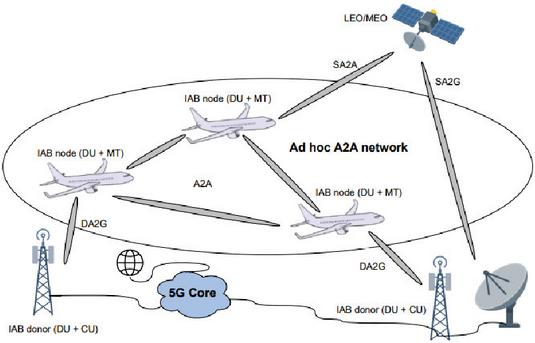
Figure 2 In-flight connectivity, AO2. Note that the A2A, SA2A, and DA2G interfaces are 3GPP standardised.
3.4 Architecture Option 3 (AO3) – WAB and MEC
Whereas both AO1 and AO2 deploy a DU on the aircraft, this option investigates placing the entire gNB stack on the aircraft. This option removes the problem of F1 delays at the expense of additional computational complexity needed on board the aircraft. The gNB communicates with the core via the N2 (gNB-AMF) and N3 (gNB-UPF) interfaces, which are not as sensitive to delays as the F1 interface. This opens up additional possibilities, where, for instance, GEO satellites could be used. The technology that allows for placing a complete gNB on the aircraft and routing traffic through different nodes is wireless access and backhauling (WAB). WAB is introduced in 3GPP R19 and is an extension of IAB. A WAB node consists of two parts: the WAB-gNB and the WAB-MT. The WAB-gNB connects to UEs over the NR Uu interface, and the WAB-MT connects to an upstream gNB over the NR Uu interface as well. The WAB-MT opens a new PDU session carrying both user data and NG/Xn signalling. This PDU session terminates at a PDU session anchor UPF (PSA-UPF), and the UE user data is forwarded to the serving UPF from the PSA-UPF. The fact that the WAB-MT attaches to the upstream gNB as a UE with a dedicated UPF allows for buffering both at the WAB-MT and at the UPF. This, together with less strict latencies over the N2/N3 interface, should make this architecture more robust to link failures and intermittent connectivity. Although R19 only considers single-hop WAB, it is probable that future releases will investigate multi-hop WAB as well.
As long as the PSA-UPF remains the same, a handover between the WAB-MT and a source and target gNB would be the same as a normal UE handover. However, if the PSA-UPF has to change, a new PDU session must be established, which is time-consuming and adds delay.
Since this architecture places an entire gNB on the plane, MEC clouds could be placed on board in either the aircraft or satellite, and traffic could be routed to the cloud through an on-board lightweight UPF. This would enable, for instance, an on-board entertainment portal with very low latencies or local processing of flight sensor data. The on-board UPF could potentially use UL-CL to apply differentiated routing in uplink. Some traffic could exit the 5GS directly on the plane and route to a DN, for instance, the Internet using Starlink. Other traffic could still route to the ground UPF. Additionally, the on-board UL-CL UPF could also enable store and forwarding (S&F) capabilities to increase resilience against intermittent connectivity [22].
When deploying an on-board UPF, N2/N4 signalling would still need to be routed to the ground core. It must be noted that AMF handover events would be very rare, and the Xn interface would probably also not be frequently used in the given scenario. Combining an on-board UPF with WAB would increase redundancy for user traffic and also enforce signalling to stay within the 3GPP framework.
A potential future architecture based on WAB with MEC is illustrated in Fig. 3. The 5G services can be delivered either through the 5G direct air-to-ground (DA2G) service or through the satellite air-to-ground (SA2G) service when there is no option to connect to a ground station, for instance, when flying over the sea. Moreover, the proposed architecture enables aircraft-to-aircraft (A2A) connectivity, which can be used when the aircraft is flying in airspace above land borders where terrestrial coverage starts to diminish and can benefit from backhauling through other aircraft.
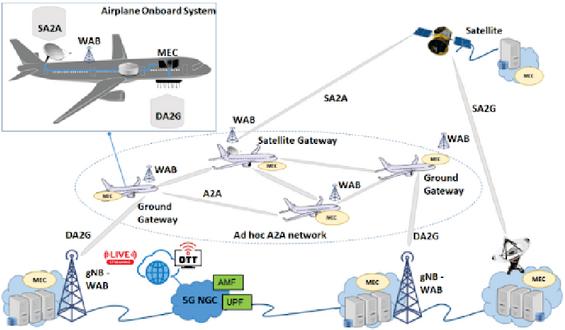
Figure 3 In-flight connectivity, AO3.
3.5 Comparison Between the Three Architecture Options
The three different architecture options are compared in Table 1, where the following fields were used for the comparison:
• On-Board Code Complexity: The software running on an aircraft should be kept as simple as possible due to strict constraints on energy, cooling, and weight, each of which affects fuel consumption.
• 3GPP-Specified Node-to-Node Communication: As the telecommunications industry moves toward open interfaces to avoid vendor lock-in and improve transparency, it is advantageous for air–satellite–ground wireless links to use open, standardised interfaces such as those defined by 3GPP.
• Max Intermediate Hops: To extend coverage, nodes may route traffic through intermediate airborne nodes, enabling concepts such as ad-hoc A2A networks.
• Delay Tolerance: Highly dynamic environments lead to intermittent connectivity and fluctuating throughput. The architecture should tolerate link outages and variable delays without degrading essential services.
• Local UPF Breakout: Support for a local on-board UPF enables delay-sensitive or mission-critical applications to run directly on the aircraft, avoiding unnecessary routing through ground-based core networks.
• Mobility Support: Given the rapidly changing network topology, the architecture should support fast and seamless reconfiguration to maintain service continuity during movement.
• Resilience to Link Failures: Air-to-air, air-to-satellite, and air-to-ground links can change or fail unexpectedly. A resilient architecture must enable rapid rerouting and robust handling of link disruptions.
4 Research Challenges
This section outlines some research challenges that must be addressed for IFBC.
4.1 Antenna Design
In-flight 5G services will require antenna designs that operate at 5G NR-NTN frequencies used by both 5G NR A2G and NTN satellite bands (FR1, FR2) and adopt a proactive stance to maintaining beam-locking and synchronisation, given the challenging atmospheric environment and the changing position of the aircraft. Smart localisation based on angle of arrival (AoA) is a proven beam-management technique. Moreover, contemporary aircraft can include up to 25 protruding antennas, which not only disrupt the aircraft’s aesthetics but also result in significant aerodynamic drag and increased fuel consumption, introducing the need for antennas to be conformal to the body of the aircraft [23]. How to provide conformal designs for aircraft applications that operate at mmWave (millimetre-wave) frequencies with adaptive multibeam formation based on intelligent localisation to achieve high-throughput transmission while maintaining beam-locking and synchronisation is an open issue, but could be based on planar leaky-wave and surface-wave technologies [24]. The compact and conformal design must offer low dielectric losses and moisture resistance to ensure reliable performance in harsh environments. Future antenna systems should support spatial beam scanning for DA2G (Direct Air-to-Ground) and inter-aircraft links exceeding current multi-beam capabilities to support both static and dynamic beam formation.
4.2 WAB-routing
Although R19 introduces WAB, WAB has not been examined for NTN scenarios, and further investigations are needed to see if a WAB-MT could backhaul via a satellite using NR-NTN. As of R19, WAB is also limited to a single hop, which would exclude ad-hoc meshes from being formed between aircraft using WAB. Future research on WAB for NTN and ad-hoc A2A networks is needed.
4.3 Transport Network Routing
In current and legacy mobile networks, the transport network between the RAN and the core has typically been static and homogeneous, supporting conventional dynamic routing protocols such as OSPF or slice-dedicated transport using MPLS. In future TN/NTN integrations, where gNBs may reside on moving platforms, transport-level slice management becomes significantly more complex and critical. This calls for intelligent and adaptive routing strategies that account for real-time topology changes and the intermittent nature of aerial network connectivity, where feeder links to the ground infrastructure may not always be available.
4.4 Self-organising Networks
Self-organising networks (SON) functionalities are being standardised in order to ensure automatic management procedures in 5G systems, and several studies are being pursued in order to have an autonomously managed network [25]. ML technology in 5G and beyond is having widespread adoption for intelligent decision-making solutions, such as automatic systems for managing network slices [26]. Going a step further, there are a limited number of studies that demonstrate how intelligence and SON can be applied to network slicing to ensure effective and autonomous resource reservation in integrated TN-NTNs within the ETSI frameworks ZSM (Zero-touch network and Service Management), GANA (Generic Autonomic Networking Architecture), and ENI (Experiential Network Intelligence). Considering the Architecture Option 3 (AO3) with an on-board MEC hosting a local UL-CL UPF and connected to the ground core via an ad-hoc A2A network, optimal routing, NF orchestration, and life management are necessary. How to best implement the SON logic in such a dynamic network is an open research question.
5 Conclusion
The telecommunication industry is clearly moving towards native integration between TN and NTN to meet the demand for reliable, secure, and ubiquitous coverage with guaranteed QoS. Native integration will enable applications such as IFBC and mission-critical services, yet several barriers remain before large-scale deployment can be achieved. In particular, aircraft antenna design must advance to reduce drag and enable robust connectivity across LEO, MEO, and GEO systems, and intelligent handover mechanisms are needed to manage mobility across TN/NTN environments with minimal overhead and interference. Cognitive and slice-aware routing over the transport network is needed and has to be synchronised with the VNFO to ensure SLAs are met for all traffic flows.
The paper compared different architecture options for providing IFBC. In particular, a novel architecture where aircraft and satellites are mobile WAB nodes capable of acting as both access and backhaul nodes was proposed. Each node could potentially host MEC for latency-sensitive services, where a lightweight UPF could be deployed for local breakout. Whereas this architecture offers high flexibility and the potential to support a broad range of applications, its success will depend on the development of advanced SON functionalities, AI-driven network optimisation, and proactive handover solutions. Future research should therefore focus on predictive mobility management, cross-layer optimisation, and adaptive resource allocation to fully realise the vision of seamless TN/NTN integration for IFBC.
Acknowledgement
This research has been financed by the European Commission HORIZON-MSCA-2024-SE-01-01 under grant agreement no. 101236523 (AeroNet project).
References
[1] LSE Consulting, “Sky High Economics: Chapter One,” Research report, London School of Economics and Political Science (LSE), n.d, accessed: 24 September 2025.
[2] D. T. AG.
[3] NGMN Alliance, “5G White Paper,” 2015, accessed: 2025-09-25.
[4] S. Hoppe, “High-Throughput Air-to-Ground Connectivity for Aircraft,” 2021.
[5] D. Pugliese, M. Quadrini, D. Striccoli, C. Roseti, F. Zampognaro, G. Piro, L. A. Grieco, and G. Boggia, “Integrating terrestrial and non-terrestrial networks via IAB technology: System-level design and evaluation,” Computer Networks, vol. 253, p. 110726, 2024.
[6] X. Lin, “The Bridge Toward 6G: 5G-Advanced Evolution in 3GPP Release I9,” IEEE Communications Standards Magazine, vol. 9, no. 1, pp. 28–35, 2025.
[7] X. Lin, “A Tale of Two Mobile Generations: 5G-Advanced and 6G in 3GPP Release 20,” arXiv preprint arXiv:2506.11828, 2025.
[8] ITU 2025, “IMT towards 2030 and beyond (IMT-2030),” Accessed: 2025-09-25.
[9] A. A. Alsaeedy, M. K. Mohsen, and E. K. Chong, “5G/6G TN-NTN Coexistence: Perspectives on Seamless Service and Handover Management,” IEEE Network, 2025.
[10] J. Stanczak, U. Karabulut, and A. Awada, “Conditional handover in 5G-principles, future use cases and FR2 performance,” in 2022 International Wireless Communications and Mobile Computing (IWCMC), pp. 660–665, IEEE, 2022.
[11] 5G Americas, “5G and Non-terrestrial networks, White paper,” 2022, accessed: 2025-10-29.
[12] B. Shang, X. Li, Z. Li, J. Ma, X. Chu, and P. Fan, “Multi-connectivity between terrestrial and non-terrestrial mimo systems,” IEEE Open Journal of the Communications Society, vol. 5, pp. 3245–3262, 2024.
[13] R.-J. Reifert, Y. Karacora, C. Chaccour, A. Sezgin, and W. Saad, “Resilience and criticality: Brothers in arms for 6G,” arXiv preprint arXiv:2412.03661, 2024.
[14] M. Höyhtyä, A. Anttonen, M. Majanen, A. Yastrebova-Castillo, M. Varga, L. Lodigiani, M. Corici, and H. Zope, “Multi-Layered Satellite Communications Systems for Ultra-High Availability and Resilience,” Electronics, vol. 13, no. 7, 2024.
[15] H. Al-Hraishawi, M. Minardi, H. Chougrani, O. Kodheli, and J. Montoya, “Multi-layer Space Information Networks: Access Design and Softwarization,” 10 2021.
[16] Z. Mo and B. Long, “An Overview of SRv6 Standardization and Application towards 5G-Advanced and 6G,” in 2022 IEEE 5th International Conference on Computer and Communication Engineering Technology (CCET), pp. 266–270, 2022.
[17] Y. Zhao, X. Liao, and M. Wang, “Multi-UPF: A Multi-Protocol Forwarding UPF towards 6G,” in 2023 International Conference on Future Communications and Networks, FCN 2023 – Proceedings, Institute of Electrical and Electronics Engineers Inc., 2023.
[18] Y. Su, H. Ma, B. Chen, Z. Ma, T. Wang, D. Ge, Z. Li, and S. Wang, “Multi-UPF Traffic Prediction of 5G Core Network With Multi-Task Learning and Multi-core Parallel Computing,” in Proceedings of the IEEE International Conference on Computer and Communications, ICCC, pp. 2260–2264, Institute of Electrical and Electronics Engineers Inc., 2024, this article proposes a machine learning approach for predicting UPF traffic of multiple UPFs simultaneously instead of only focusing on one UPF at a time. They proposed a framework of how to utilise multiple cores for the predictions.
[19] L. Ren and M. Castillo-Effen, “Air Traffic Management (ATM) operations: a review,” Report 2017GRC0222, 2017.
[20] A. Daurembekova and H. D. Schotten, “Unified 3D Networks: Dynamic RAN Functions Placement and Link Challenges,” in 2024 International Symposium on Networks, Computers and Communications (ISNCC), pp. 1–6, IEEE, 2024.
[21] E. Municio, G. Garcia-Aviles, A. Garcia-Saavedra, and X. Costa-Pérez, “O-ran: Analysis of latency-critical interfaces and overview of time sensitive networking solutions,” IEEE Communications Standards Magazine, vol. 7, no. 3, pp. 82–89, 2023.
[22] H. Yoo, M. Park, and N. Ko, “A Mobile System Architecture for Store-and-Forward Operation in Non-Terrestrial Networks,” in 2025 Sixteenth International Conference on Ubiquitous and Future Networks (ICUFN), pp. 709–712, IEEE, 2025.
[23] A. V. SE, S. J, and T. Kavitha, “Conformal Antenna for Aircraft Applications,” in 2023 7th International Conference on Computation System and Information Technology for Sustainable Solutions (CSITSS), pp. 1–7, 2023.
[24] Y. Ma, X. Shi, J. Wang, Y. Zhang, F. Sun, and F. Wu, “Millimeter-Wave Conformal Directional Leaky-Wave Antenna Based on Substrate-Integrated Waveguide,” Electronics, vol. 12, no. 14, 2023.
[25] A. G. Papidas and G. C. Polyzos, “Self-Organizing Networks for 5G and Beyond: A View from the Top,” Future Internet, vol. 14, no. 3, 2022.
[26] H. O. Otieno, B. Malila, and J. Mwangama, “Deployment and Management of Intelligent End-to-End Network Slicing in 5G and Beyond 5G Networks: A Systematic Review,” IEEE Access, vol. 12, pp. 190411–190433, 2024.
Biographies

Christoffer Hjalmarsson holds a Bachelor’s degree in Physics from Chalmers University of Technology and two Masters’ degrees in System and Control Theory from Chalmers University of Technology and the University of Stuttgart. He previously worked as a software engineer at Ericsson and is now pursuing a PhD at London South Bank University since October 2025, focusing on TN/NTN integration and IFBC.

Tasos Dagiuklas is a Professor in the Computer Science and Informatics Division at London South Bank University and Head of the Cognitive Systems Research Centre. His research spans cloud computing, 5G/O-RAN, network automation, edge/fog computing, and intelligent systems for smart cities, health, and manufacturing. He holds a PhD from the University of Essex and an MSc from the University of Patras. He has secured over £10 million in UK and EU research funding, collaborated widely with academia and industry, published extensively in IEEE, and serves on editorial boards of several international journals.

Brahim El Boudani is a Lecturer in Applied Artificial Intelligence and Computer Science at London South Bank University (LSBU). He holds a PhD in 3D Indoor Localisation for 5G Networks and is a researcher within the Smart Internet Technologies Hub (SITHub) group, focusing on programmable networks, intelligent routing, and other AI applications to next-generation networking technologies (6G and beyond). He has extensive industry experience from working with organisations in Cyprus, Portugal, and across Europe.

Jonathan Rodriuguez is a Professor of Mobile Communications at the University of South Wales and is an Honorary Senior Researcher at the University of Bradford. His area of expertise includes: 5G mobile systems, Terahertz communications, 2D system level simulation methodologies, and beamforming. His research work have resulted in over 500 published scientific works and 4000 citations. Professor Rodriguez is an IET Fellow and a Charted Engineer with advisory roles on FP7, and CSIM as well as being the founding member of IEEE Technical Subcommittee on Green Communications and Computing.